
PTSD & trauma therapy in Surrey, BC · online across BC
PTSD isn't weakness. It's a nervous system stuck on alert.
Trauma-focused therapy for flashbacks, nightmares and feeling on edge, using EMDR and Emotionally Focused Therapy, at a pace you set.
- 1Pick a timeBook a free 30-minute call online through Jane.
- 2Talk it throughBy phone or video. Ask anything, with no obligation.
- 3Decide in your own timeNo pressure to book a session afterwards.
Direct billing to Pacific Blue Cross, Canada Life, Green Shield, TELUS Health and most other extended health plans (coverage varies, so check yours) · Registered Clinical Counsellor, RCC #24906 · EMDR trained (EMDRIA) · EFT trained (ICEEFT)
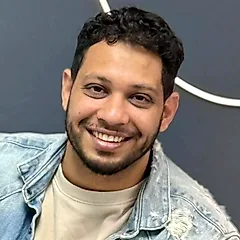
You'll be talking with Sartaj Sandhu, RCC. I offer EMDR and trauma-focused counselling in English, Punjabi and Hindi, in person in Fleetwood, Surrey, and online anywhere in BC. More about me →
What PTSD is
Part of you is still back there.
Post-traumatic stress happens when a frightening experience doesn't get "filed away" as the past. Your mind and body keep reacting as if the danger is still here. It can follow a single event, like an assault, a crash or a sudden loss, or build up over years.
It isn't a sign that you're weak or broken. It's a protective system that got stuck, and with the right support it can settle.
Signs of PTSD
It often shows up in four ways
Reliving it
Flashbacks, nightmares, or memories that hit out of nowhere and feel like they're happening now.
Avoiding it
Steering clear of places, people, conversations or feelings that remind you of what happened.
Feeling different
Guilt, shame, numbness, or feeling cut off from people and things you used to enjoy.
Always on alert
Jumpiness, poor sleep, irritability, trouble concentrating, always scanning for danger.
How therapy works here
Steady first. Then process. Then live.
Nothing moves faster than you're ready for.
Feel safe enough
- Grounding and calming skills you can use anywhere
- A clear map of what's driving your reactions
- Your starting scores, so you can see change
Process the memories
- EMDR, recommended by the World Health Organization for PTSD
- Emotionally Focused Therapy (EFT) for the feelings and relationship patterns left behind
Bring it into life
- Practise in the situations that used to trigger you
- Re-take the trauma self-check to measure the change
Prefer a structured plan? The Praxis Way is a 12-week trauma program built on these three stages.
Common questions
About PTSD therapy
Do I need a PTSD diagnosis to start?
No. Many people come in without a diagnosis, or aren't sure their experience 'counts' as trauma. If something still affects how you sleep, feel or react, that's enough to start. The free trauma self-check (PCL-5) can give you a starting point.
What's the difference between PTSD and complex trauma?
PTSD often follows a specific event, such as a crash, assault or sudden loss. Complex trauma usually builds up over time, for example through childhood neglect, abuse or a long, unsafe relationship. Both can be treated, and the pace is adjusted to what you need.
Will I have to talk about everything that happened?
No. EMDR doesn't require a detailed retelling, and you decide what to share and when. Preparation and grounding come first.
How long does PTSD therapy take?
It depends on what you're working on. A single recent event may need fewer sessions, while complex or childhood trauma usually takes longer. We'll agree on a realistic plan and review it together.
Can PTSD therapy be done in Punjabi or Hindi?
Yes. All of it, including EMDR, can be done in English, Punjabi or Hindi, in person in Surrey or online across BC.
Related
Other ways I can help
What happened is in the past. It's time your body knew it too.
Start with the trauma self-check, or a free 30-minute call.